College English assignments get harder to fake than most students expect. In high school, a decent summary with a few quotes often gets you through. In college, instructors are specifically looking for analysis, argument, and critical thinking, and they can spot the difference between a student who genuinely understood the text and one who merely skimmed the surface.
That shift is where most students struggle. Not because they lack intelligence, but because no one explicitly taught them what college-level English work actually requires. This guide does exactly that, covering the most common assignment types, the skills they test, and the habits that consistently produce stronger results.
The Most Common College English Assignment Types
English departments assign a wider range of work than most students realize going in. Each type tests a different skill set, so knowing what you are dealing with before you start determines how you approach it.
| Assignment Type | What It Tests | Key Requirement |
| Literary analysis | Close reading, textual interpretation | Argue an original claim about how the text works |
| Rhetorical analysis | Understanding of persuasion techniques | Analyze how a text persuades, not what it argues |
| Argumentative essay | Position-taking, evidence use, counterargument | Take and defend a specific, debatable stance |
| Research paper | Source evaluation, synthesis, and academic writing | Integrate multiple credible sources into an original argument |
| Reflective writing | Self-awareness, critical thinking about your own process | Honest, specific engagement — not general statements |
| Creative writing | Voice, originality, craft | Intentional stylistic choices, not just spontaneous expression |
The most important thing to notice in this table is the rightmost column. Every assignment type has a key requirement that goes beyond the obvious. A literary analysis is not a book report. A reflective essay is not a diary entry. Understanding that distinction upfront changes everything that follows.
Tip 1: Read the Assignment Prompt Like It’s a Contract
Before any research, reading, or writing, read your assignment prompt carefully, and then read it again. The verbs in the prompt are instructions, not decoration. “Analyze” means make an argument about how something works. “Evaluate” means form and defend a judgment. “Discuss” means explore multiple dimensions. “Compare” means identify meaningful similarities and differences, not just list them.
Missing the directive verb is one of the most common reasons students write technically decent essays that still miss the mark. In addition, pay close attention to constraints — word count, required sources, specific texts, and formatting guidelines. These are not suggestions. Treating them as optional is a fast way to lose points.
Tip 2: Build Your Argument Before You Write
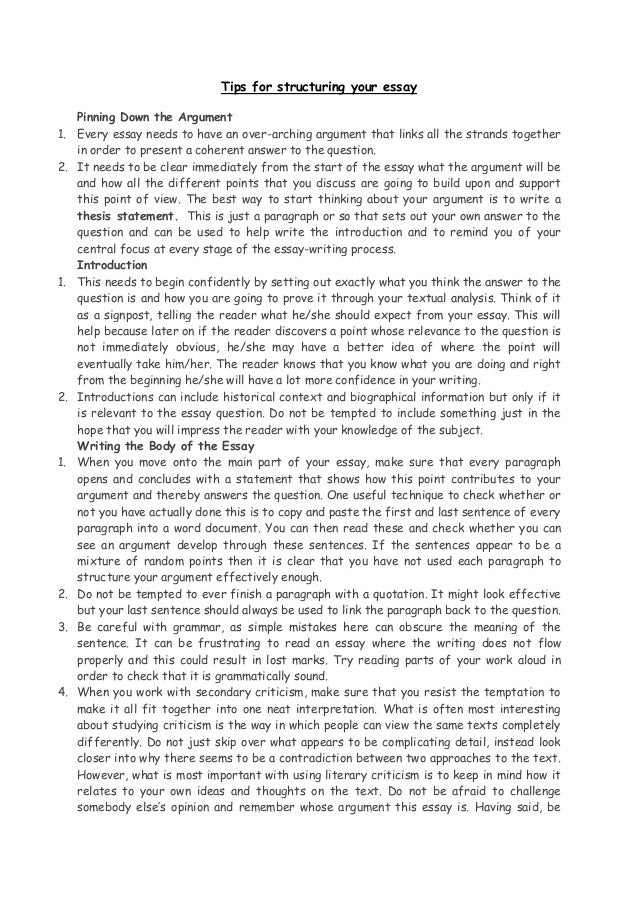
The most reliable sign of a weak college English essay is a thesis that forms during the writing rather than before it. When students write to discover what they think, the result is usually an essay that changes direction mid-way, repeats itself, and ends without a clear conclusion.
Strong essays start with a working thesis — a specific, arguable claim about the text, issue, or question you have been given. It does not have to be perfect at this stage, but it has to be specific enough to give every body paragraph a job to do. Once you have your thesis, outline the main points that support it before you write a single body paragraph. That five-minute outlining habit saves hours of confused drafting.
Tip 3: Analysis Means More Than Summary
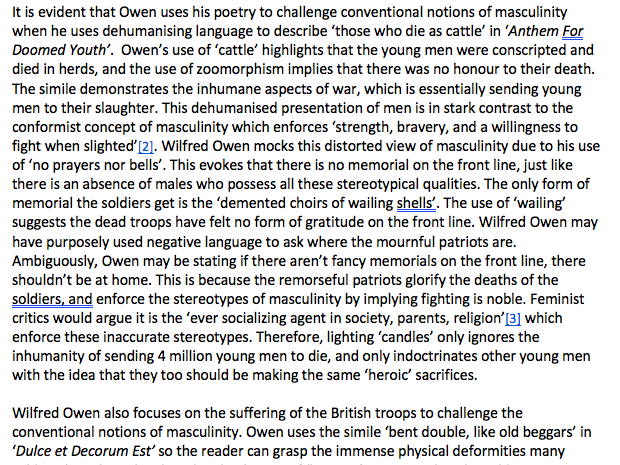
This is the single most important skill in college English work, and the one most inconsistently taught. Analysis means explaining what something means and how it works, not describing what happens.
In a literary analysis, that means going beyond plot summary to explain what a character’s decision reveals about the text’s central themes. In a rhetorical analysis, it means going beyond identifying a persuasive technique to explaining how and why it works on the intended audience. In a research paper, it means going beyond reporting what sources say to explaining how they fit together and what they collectively prove.
A quick test: after every paragraph you write, ask yourself — did I explain what this means, or did I just describe what happened? If the answer is the latter, the paragraph needs another layer of thinking before it is done.
Tip 4: Use Evidence to Support Claims, Not Replace Them
Quoting a text is not the same as analyzing it. Students who pack their essays with quotes in hopes that the evidence speaks for itself are making one of the most common errors in college English writing. A quote is raw material — what you do with it is the essay.
Every time you use a quote or cite a source, follow it with an explanation: what does this specific passage mean, and how does it prove the point you are making in this paragraph? That follow-through is where the analytical work lives. The quote sets it up; your explanation delivers it.
Tip 5: Academic Tone Is Not the Same as Complicated Language
Many students believe that formal academic writing means long, complex sentences packed with sophisticated vocabulary. It does not. The best academic writing is clear, precise, and direct. Sentences that require three readings to parse are not impressive — they are a sign that the writer is not fully in control of their ideas.
Aim for sentences that say exactly what you mean, in as few words as possible. Avoid filler phrases like “it is important to note that” or “as previously mentioned.” Cut every word that does not add meaning. Strong academic writing sounds like a smart, confident person making a clear argument, not a thesaurus having a crisis.
The 5 Habits That Separate Strong English Students From Average Ones
- They start with the prompt, not the text. Before reading or researching, they confirm exactly what the assignment is asking, so every decision that follows is purposeful.
- They draft a thesis before writing body paragraphs. Even a rough, imperfect thesis gives the essay direction and prevents the drift that kills most first drafts.
- They revise for argument, not just grammar. Their first round of editing asks whether the essay makes a clear, consistent argument. Grammar comes second.
- They read their work out loud before submitting. Awkward phrasing, unclear sentences, and repetition are far easier to catch when heard than when read silently.
- They treat feedback as data, not judgment. Every comment from an instructor is information about what stronger work looks like. Students who act on feedback consistently improve; students who argue with it rarely do.
If you are navigating a particularly demanding assignment or need expert guidance on structure, analysis, or academic writing conventions, OZessay English assignment assistance is available from specialists who understand exactly what college-level English work requires.
FAQ
What are the most common English assignments in college?
Literary analysis, argumentative essays, research papers, and rhetorical analysis.
What is the difference between analysis and summary in English essays?
The summary describes what happened; the analysis explains what it means and how it works.
How do you write a strong thesis for a college English essay?
State a specific, arguable claim that your body paragraphs will prove with evidence.
What do directive words like “analyze” or “evaluate” mean in essay prompts?
They tell you what kind of thinking is required, not just what topic to cover.
How should you use quotes in a college English essay?
Introduce them, present them, then explain exactly how they support your argument.What is the biggest mistake students make in college English assignments? Summarizing instead of analyzing — describing what happens rather than what it means.